Fade of the Facade
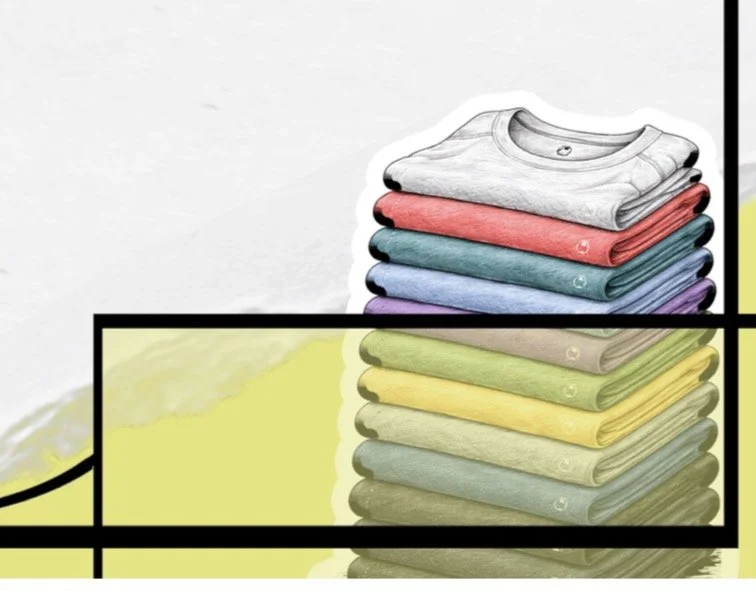
Nora Wood / VMag at UVA
What began as a scramble to fit the mold turned into a yearslong journey of unraveling why I wanted to in the first place.
Arriving to dorms in 2022 was a maze of excitement and thrill, a spectacle for wide- eyed first-years. Everything around me was new, unique, and different – aside from one feature that seemed to be copy-pasted everywhere I looked.
My gaze fell upon a sea of lululemon and air forces when the sun was out and “going out tops” when the sky darkened, which were either cropped, off the shoulder, or criss-crossy fabric that ensured your stomach felt the cold air even in a bodysuit. If you didn’t have going out tops, you needed to either borrow or buy some pronto. My closet contained none of these “must- haves,” and in trying to carve out a place in this unfamiliar environment, I was overcome with a sense of urgency to change that.
Two weeks later, I checked into the Emmet mail pickup for my Amazon package containing athleisure galore. Dupes of lululemon cropped tanks and a ribbed zip-up jacket that served no functionality besides waist-hugging fell to the floor as I ripped open plastic bags and planned my outfits for the week. I’d no lon- ger have to change three times before class to ensure I was making the right impression – I’d be wanted somewhere once I got the appearance part right. My sense of style soon became whatever everyone else was wearing. When my lululemon dupes were in the wash, I supplemented with Brandy Melville. I duplicated what I saw and hoped acceptance would result from mimicry.
When declaring my decision to study at UVA, my concerns fell entirely in the realm of fearing sameness – I didn’t want to leave Northern Virginia to feel stagnant only two hours away. But being from the place everyone else is does not mean you’re in the in-group. I had no idea what was going on when I got here, and clothing norms were my first peek into the exclusivity ever-present in UVA’s culture.
In my obsession with belonging, I prioritized fitting in over finding myself. I was the ideal consumer: insecure, lost, and desperate to be liked. Glorified identity perception is the advertiser’s predatory weapon, and first-years are susceptible prey. Becoming the victim of this nightmarish uniformity was easier than facing the facts: focusing on how I looked was blinding me to understanding others. As my appearance took up all of my attention, I was losing sight of my privileged gaze, spending more time in front of the mirror and less around other people, identities, and experiences.
I was privileged in more ways than one: somehow, I scored the best of friends. My first-year roommate had a sense of self that was confident yet selfless. Similarly, my best friend was the definition of cool and even more so kind. Outside of UVA, my sister decided to go to school for acting, and one thing about theater kids is they figure out who they are before the rest of us. And they know how to dress.
By observing those closest to me, I realized the people I admired most understood their identity as an ongoing learning process that looks different for everyone.
My turning point commenced when I took a cue from my friends. It was gradual, but as time went on, it became clear that my hyper-fixation on blending in was a mindset, not a societal rule. No one was paying attention as much as I was – it wasn’t others’ perception that was the issue as much as my own. My ideal shifted from athleisure to 2000s thrift to an eventual recognition that personal brands are not integral to a sound sense of self. As the years progressed, my growth of identity – understanding my queerness, distancing from social media, learning how to make friends (and be a good one) – went hand in hand with the loss of blending into the crowd. But I didn’t need to be the same as everyone else to be accepted with the people I cared about.
The fade of the facade wasn’t a complete erasure of the desire to fit in – caring about other peoples’ perceptions lessened, but it didn’t go away. I’m still finding my own sense of style, too, and I take inspiration from others when deciding what to wear or buy. Being like everyone else isn’t a bad thing if it doesn’t diminish your individuality in the process. Like most mindset shifts, progress triumphs over perfection.
I’m graduating in three months, and to say my first year self wouldn’t recognize me now would be a lie, but she’d certainly be surprised.
Part of the reason it was easier to mimic appearances and interests was because there were parts of my identity I was avoiding or hadn’t found yet, and a few years on grounds were transformative in building the foundation to embrace them.
Like the soles of my airforces, my fixation with following trends wore down, but I still wear my amazon leggings and my heart on my sleeve. I’m no longer pursuing my first major, nor the groups I wasn’t meant to be in. The cliches are true: trust the process, go where you’re wanted, be yourself and the rest will follow. As the facade faded, reality emerged.