Color on the Blank Page
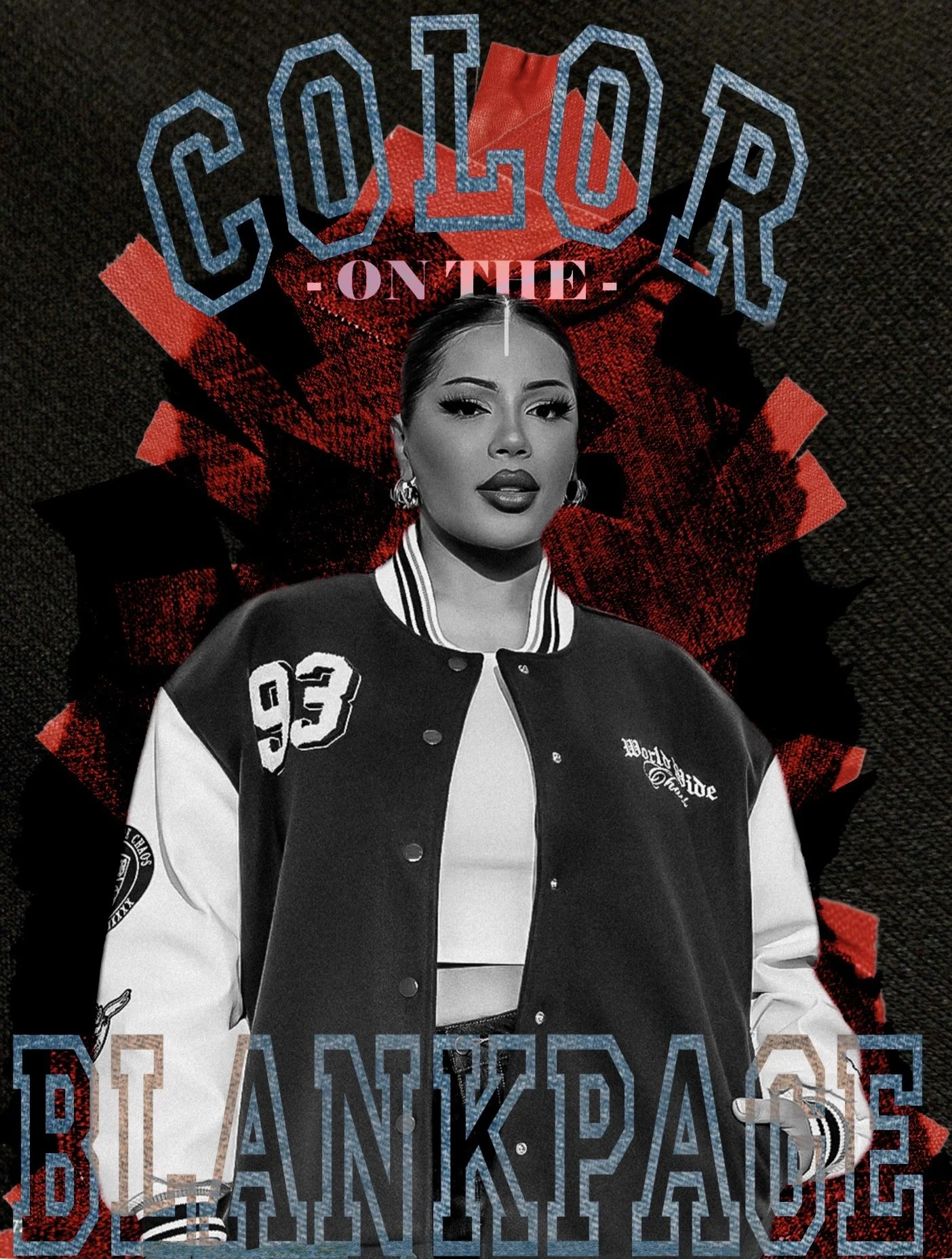
Nina Gravlee / VMag at UVA
How D9 Thrive at Predominately White Institutions
While many people imagine Black sororities and fraternities as constants only at Historically Black Universities and Colleges — HBCUs — the Divine Nine are making themselves known at predominantly white institutions like the University.
When University students pledge to their sorority or fraternity, they are doing much more than just joining an organization; they are adding their names to the long line of culture, perseverance and Black Greek life in the United States. This new chapter comes with its own duty — to add color to the blank page of Greek life at the University.
The history of Black fraternities and sororities at the University dates back to 1973, when the Lambda Zeta Chapter of Omega Psi Phi Fraternity and the Kappa Rho Chapter of Delta Sigma Theta were chartered by Black University students. Other sororities and fraternities soon followed, including the Theta Kappa Chapter of Alpha Kappa Alpha, the Tau Theta Chapter of Zeta Phi Beta, the Eta Sigma Chapter of Kappa Alpha Psi and the Iota Beta Chapter of Alpha Phi Alpha. These fraternities and sororities comprise the Divine Nine at the University, and each was established to provide a place of sisterhood and brotherhood for marginalized Black students.
According to Lenzi Price, member of the Kappa Rho chapter of Delta Sigma Theta and fourth-year College student, that is exactly what they did. “The Divine Nine was founded at a time when African American students faced segregation, limited resources, and exclusion from many student organizations,” she said.
While these fraternities and sororities have been established within the last 53 years, white Greek life has been a constant at the University since the early 20th century and has remained a steadfast tradition among University students. It is important to note, however, that many of these organizations did not begin to accept Black students until well into the 70s, and even then, Black enrollment remained low. Nonetheless, Black students maintained a prominent presence at the University through their own traditions and practices.
“[The Divine Nine] was created to build community, protect and uplift one another, create opportunities that weren’t being offered and be of service to others,” Price said. “That legacy is still very real.”
Probate season — when sororities and fraternities present their newest members to society — is one of the most celebrated times for the National Pan-Hellenic Council. This season is filled with chanting, strolling and performances to demonstrate the greatness of their fresh brothers and sisters to their community. Each sister and brother, adorned with their organization’s respective colors, flocked by friends and family alike to celebrate their introduction into a history of respected Black politicians, authors, artists, athletes and celebrities. Oftentimes, many new members are also joining a long line of legacy from their own family within the Divine Nine fraternities and sororities.
“I think it’s also like once you have 28 line sisters, I’m never bored,” Samia Naar, member of the Theta Kappa chapter of Alpha Kappa Alpha Sorority and fourth-year Commerce student, said.
The sisterhood and brotherhood aspects of Divine Nine organizations serve as places to develop culture and community amongst Black students at the University. These members help support and care for one another throughout their four years in college and beyond. When members first join Black sororities and fraternities, they gain a built-in family ready to be there and defend them.
Naar, whose mother is also a member of Alpha Kappa Alpha Sorority and had a close bond with her line sisters, tries to foster a similar bond.
“Doing those very mundane things can become really fun when you have 28 sisters to share it with,” Naar said. “And I think that’s been really great. I can kind of do my normal day-to-day stuff, but I always have a friend to ask.”
Strolling, a fan favorite amongst partygoers and members of the Divine Nine alike, is closely associated with breaking away from traditional white Greek life. Members often shout, clap, chant and stomp as they work through coordinated movements. Strolling has strong ties to the presence of slavery in the United States and was used by enslaved people in rituals and religious practices to unite themselves in dark times. Now, strolling is used to communicate community and unity amongst brothers and sisters.
The entire notion of strolling is to make it clear to anyone near that they are not just members of a Black sorority or fraternity, but proud members. Especially on segregated campuses or in communities where the expectation is for black populations to be quiet and go unnoticed, the NPHC encourages noise and pride for every member.
At predominantly white institutions, Black Greek life acts as a safe space for Black students to openly engage with their culture and community. Black sororities and fraternities don’t bend to the heavy influence of long-established white sororities and fraternities at the University. They live out loud and proud about their membership in such organizations; donning letterman jackets, totes, specialized purses and phone cases. It’s not about just being in the Divine Nine, but about making it clear that Black students are here to stay and to reinforce the voices of Black students that have gone unheard by the University since its creation.
Nathan Makkonnen, Vice President of External Affairs for the National Pan-Hellenic Council and member of the Eta Sigma Chapter of Kappa Alpha Psi Fraternity, expressed that unity was the biggest factor in how the Divine Nine created a cultural community at the University.
“No matter when it was founded, no matter who was first, who was second, who was last. It’s one big connected net because it’s us against everybody else,” Makkonnen said.
From community service benefiting the University student body and the Charlottesville community, alike to providing scholarship opportunities for students at the University, the Divine Nine set a cultural standard for all those around them. Each organization creates a place where Black students can be comfortable being authentic, expressive, rebellious, leaders, and creatives, unrestricted by the standards that society and the University place on them.